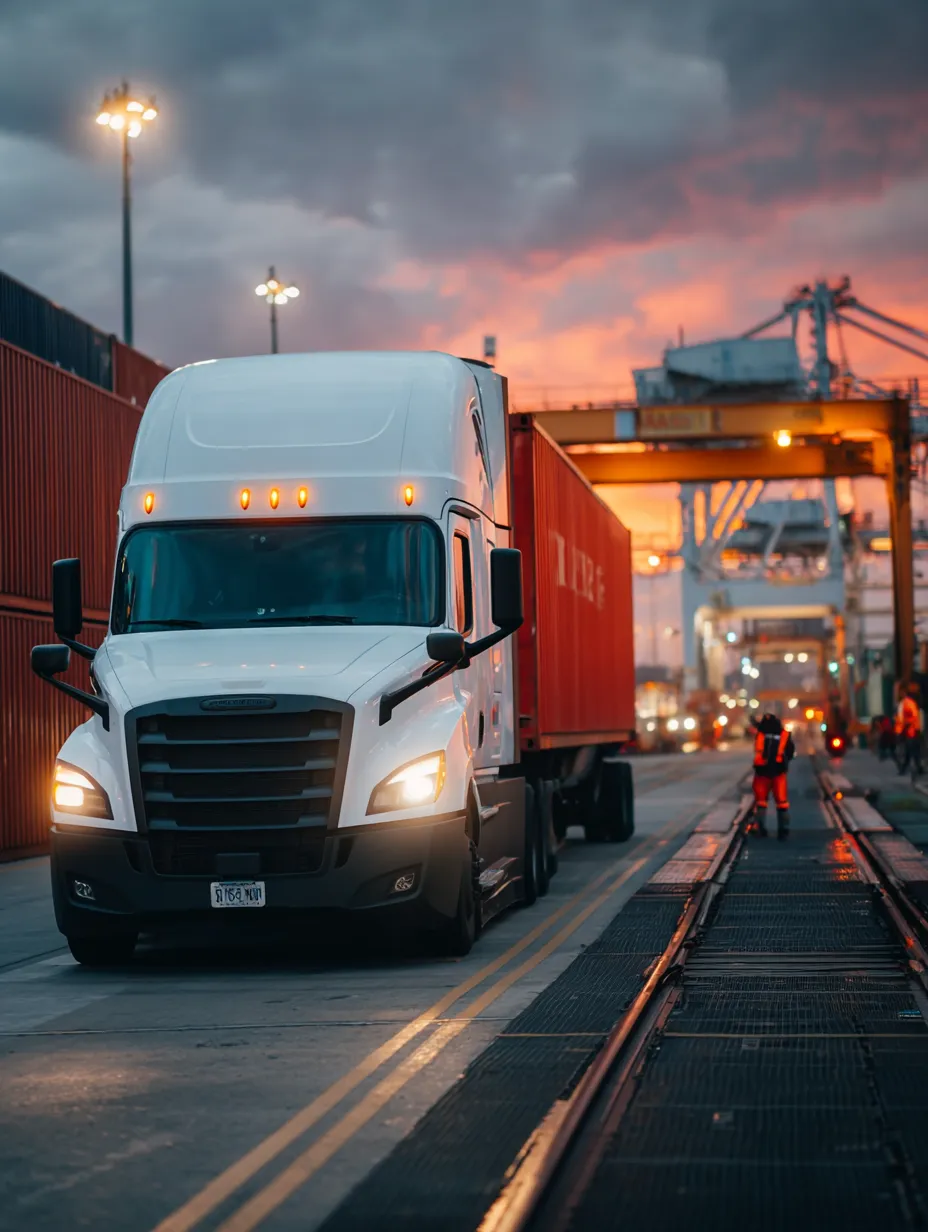
Most logistics companies who "tried Google Ads" ran a vague campaign against broad keywords, sent the clicks to their homepage, and watched their budget evaporate. Then they concluded that paid search doesn't work for freight. They were half right: that approach doesn't work. But done properly, Google Ads is one of the strongest channels available to a logistics company.
Here's a number that surprises people: in 2025 Google Ads benchmarks, the automotive, transport, and logistics category posted the highest median conversion rate of any sector — around 13.9 percent. Logistics buyers who click a well-matched ad convert at a rate most industries would envy. The opportunity is real. The execution is where companies fall down.
Bid on intent, not on "logistics."
The most expensive mistake in freight PPC is bidding on broad, top-of-funnel terms like "logistics" or "shipping." They're costly, vague, and attract clicks from students, competitors, and job seekers — not buyers. The keywords that convert are the ones a shipper types when they are ready to act: "freight broker near me," "LTL shipping quote," "refrigerated trucking company Dallas," "expedited freight services quote."
These commercial keywords carry clear intent. Someone searching "LTL shipping quote" wants a quote today. Yes, competitive freight terms can run in the $20 to $25 cost-per-click range — higher than many industries — but with a nearly 14 percent conversion rate, the math works when your landing page is built to capture the lead.
Match every keyword to an instant-quote landing page.
This is where logistics companies leak the most money. They pay premium CPCs for high-intent keywords, then dump the traffic on a generic homepage. The visitor who searched "refrigerated trucking Dallas" lands on a page about the company's 30-year history and leaves.
Every campaign should point to a dedicated landing page that matches the search and offers an instant quote. Searched for reefer trucking in Dallas? Land on a page about reefer trucking in Dallas with a quote form above the fold. The tighter the match between keyword, ad, and landing page, the higher your conversion rate and the lower your effective cost per lead.
Paying $22 a click and sending it to your homepage is like paying for a premium lead and then hanging up the phone. The landing page is where the ROI is won or lost.
Get the geography and lanes right.
Freight is a geographic business, and your targeting should reflect that. Tight geo-targeting — by metro, by port, by lane — keeps you from paying for clicks in markets you can't serve. A drayage company at the Port of Savannah has no reason to show ads to someone searching in Seattle.
Structure campaigns around the lanes and markets you actually want. Separate campaigns for separate services and regions give you control over budget and let you see exactly which lanes produce leads. This granularity is what turns a money-losing account into a predictable lead source.
Respond in seconds, not hours.
A high-intent lead cools fast. The shipper who submitted a quote form is likely filling out three others. Speed of response is a competitive advantage, and in 2026 more logistics advertisers are using automated quoting and instant follow-up to reach leads within seconds of a form submission. Even a simple auto-responder that confirms receipt and sets expectations beats a quote that arrives the next morning.
Put the pieces together — high-intent commercial keywords, tightly matched instant-quote landing pages, disciplined geo and lane targeting, and fast follow-up — and Google Ads stops being a gamble. For a logistics company, it becomes one of the few channels that can deliver qualified, ready-to-buy leads on demand. If you'd rather have a team run it for you, that's what our Google and social ads service is built for.